
 October 10, 2026
 18 min read
 By Bruce Lee
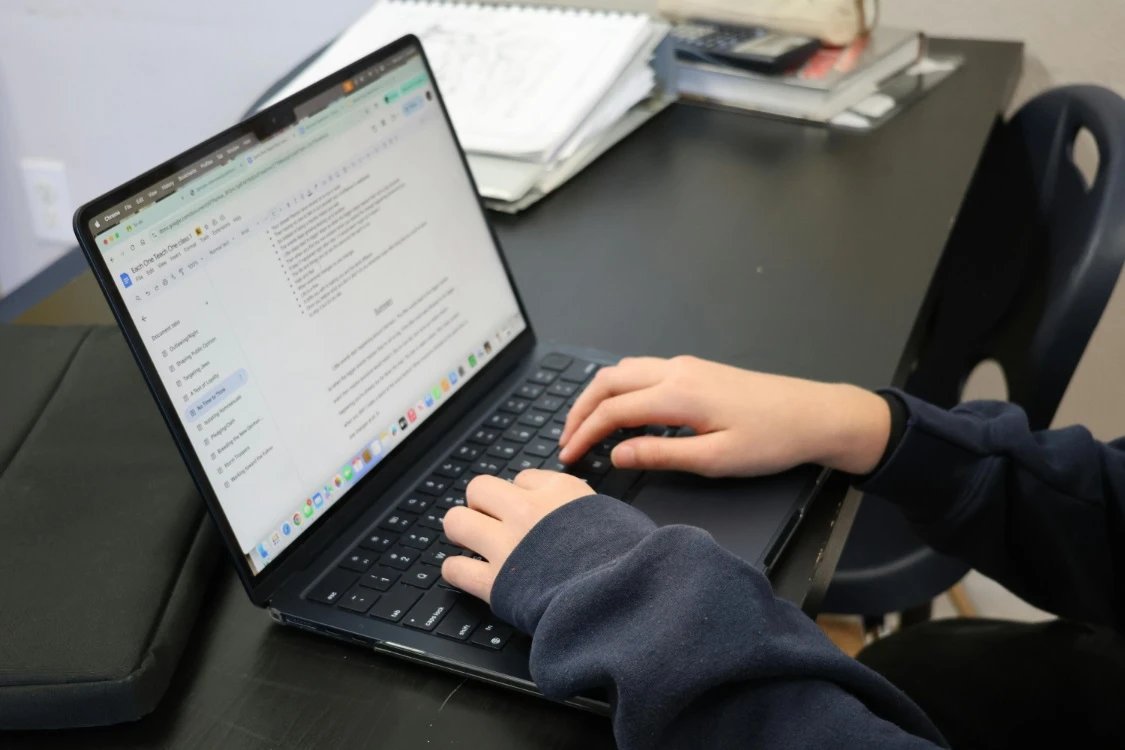
Do you enjoy writing, researching topics, or explaining ideas to other people? Freelance writing may be an interesting career option to explore. It allows writers to work with different clients and create content for websites, businesses, and digital publications.
Many businesses need written content to communicate with customers, explain their products, share useful information, and support their marketing activities. This creates different types of writing opportunities for independent professionals.
You do not always need a university degree to begin freelance writing. However, you do need good writing skills, research abilities, attention to detail, and a willingness to improve.
In this guide, you will learn about freelance writing jobs for beginners, the skills you need, how to create a portfolio, where to find clients, and how to build a professional writing career.
In This Article
- What Is Freelance Writing?
- Types of Freelance Writing Jobs
- Skills You Need to Become a Writer
- How to Build a Writing Portfolio
- Where to Find Freelance Writing Jobs
- How to Get Your First Writing Client
- How to Set Your Writing Rates
- Useful Tools for Freelance Writers
- Common Beginner Mistakes
- How to Avoid Writing Job Scams
- Frequently Asked Questions
1. What Is Freelance Writing?
Freelance writing is a type of independent work in which writers create written content for clients without being permanent employees of one company.
A freelance writer may work with several businesses, agencies, website owners, or individual clients. Projects can be short-term or ongoing, depending on the client's needs.
Common freelance writing assignments include:
- Blog posts and articles.
- Website pages.
- Product descriptions.
- Email newsletters.
- Social media captions.
- Marketing copy.
- Technical documentation.
- Educational content.
Writers may charge by the word, hour, project, or another agreed pricing structure. The payment arrangement should always be clear before work begins.
2. Types of Freelance Writing Jobs
Freelance writing includes several specializations. Understanding these options can help you choose a service that fits your strengths.
1. Blog Writing
Blog writers create informative articles for websites and online publications. Topics may include technology, education, business, lifestyle, travel, personal finance, and many other subjects.
Common tasks:
- Researching article topics.
- Creating content outlines.
- Writing useful and organized articles.
- Adding headings and relevant examples.
- Editing and proofreading drafts.
Blog writing may suit people who enjoy learning about different topics and explaining information clearly.
2. Website Content Writing
Website content writers create pages that explain a business, its services, products, and value to customers.
Typical projects include:
- Homepage content.
- About pages.
- Service descriptions.
- Landing pages.
- Frequently asked questions.
Good website writing should be clear, helpful, easy to understand, and aligned with the business's goals.
3. SEO Content Writing
SEO content writers create content designed to help users find useful information through search engines. Their work often involves keyword research, content organization, and understanding search intent.
Common responsibilities include:
- Researching search topics.
- Understanding what readers are looking for.
- Creating useful headings and page structure.
- Writing clear and informative content.
- Adding relevant internal links.
Search optimization does not guarantee rankings. Focus on accuracy, usefulness, and satisfying the reader's needs.
4. Copywriting
Copywriters create persuasive content intended to encourage readers to take an action, such as learning more, contacting a business, or considering a product.
Examples include:
- Advertising copy.
- Landing page content.
- Product descriptions.
- Sales emails.
- Promotional messages.
Copywriting requires an understanding of the target audience, product benefits, brand voice, and marketing goals.
5. Product Description Writing
Product description writers prepare clear and useful descriptions for online stores and product pages.
Good product descriptions may include:
- Important product features.
- Practical benefits.
- Specifications.
- Usage information.
- Accurate product details.
Writers must avoid inventing product claims or including information that the seller has not verified.
6. Email Newsletter Writing
Email writers create messages that businesses send to subscribers and customers. These messages may share updates, educational content, announcements, and promotional information.
Useful skills include:
- Writing clear subject lines.
- Creating engaging introductions.
- Organizing information.
- Writing clear calls to action.
- Understanding audience needs.
7. Social Media Content Writing
Social media writers prepare short-form content for businesses, brands, creators, and organizations.
Projects may include:
- Instagram captions.
- LinkedIn posts.
- Facebook updates.
- Short promotional messages.
- Content calendar ideas.
Writers need to understand the platform, audience, and brand voice before preparing content.
8. Technical Writing
Technical writers explain complex products, systems, or processes in a clear and organized way. This work often requires specialist knowledge.
Examples include:
- User guides.
- Software documentation.
- Instruction manuals.
- Technical tutorials.
- Process documentation.
Technical writing may be suitable for people who enjoy research and can explain detailed information accurately.
9. Case Study Writing
Case study writers explain how a business, product, or service addressed a particular problem. These projects often involve interviews, research, and fact-checking.
Writers should obtain accurate information and any required permission before publishing client stories.
10. Ghostwriting
Ghostwriters create content that is published under another person's name. They may write articles, speeches, newsletters, or longer documents.
Clear agreements are important because ghostwriting can involve confidentiality, ownership, attribution, and publication requirements.
3. Skills You Need to Become a Freelance Writer
You do not need to be a perfect writer when starting out. However, you should build a strong foundation and practice regularly.
Writing and Grammar
Learn to write clear sentences, organize paragraphs, use appropriate punctuation, and communicate ideas in a natural way.
Research Skills
Writers need to find reliable information, compare sources, and verify important facts. Avoid copying information without understanding it.
Editing and Proofreading
Review your work for spelling, grammar, repetition, unclear statements, and unnecessary words before submitting it to a client.
Time Management
Freelance writers often manage multiple assignments. Plan your workload and agree on realistic deadlines.
Communication
Ask clear questions, understand client instructions, provide progress updates, and respond professionally.
SEO Basics
If you want to write website content, learn basic SEO concepts such as search intent, page titles, headings, internal links, and helpful content.
Adaptability
Different clients have different audiences and writing styles. Learn to adjust your tone and structure while keeping your writing accurate and natural.
4. How to Build a Freelance Writing Portfolio
A portfolio is a collection of writing samples that demonstrates your abilities to potential clients. It can be especially useful if you have not worked with paying clients yet.
Step 1: Choose a Writing Niche
Consider topics you understand or enjoy researching. Examples include technology, education, business, health, travel, and personal finance.
You can begin with one subject and explore other categories as your experience grows.
Step 2: Create Three to Five Sample Articles
Prepare original writing samples that demonstrate different abilities. For example:
- A beginner-friendly educational article.
- A detailed how-to guide.
- A product comparison article.
- A sample website service page.
- A short marketing email.
Step 3: Edit Your Samples Carefully
Check grammar, accuracy, structure, readability, and originality. Make sure the samples reflect the quality you want clients to expect.
Step 4: Publish or Organize Your Work
You can create a simple portfolio website or use a professional document-sharing service. Keep your samples organized and easy to access.
Step 5: Add a Short Introduction
Explain what type of writing you offer, which topics you understand, and how potential clients can contact you.
5. Where to Find Freelance Writing Jobs
Freelance writing opportunities can be found on marketplaces, job boards, professional networks, and business websites.
1. Upwork
Upwork allows freelancers to find projects posted by clients. Search for relevant writing categories and review each project's scope, requirements, and payment terms.
2. Fiverr
Fiverr lets freelancers create service listings. You can describe your writing services, add samples, and set clear service packages.
3. LinkedIn Jobs
LinkedIn is useful for exploring writing positions, connecting with professionals, and following companies that publish content-related vacancies.
4. Indeed
Indeed lists employment opportunities in different industries. Search for freelance writer, content writer, blog writer, and remote writing roles.
5. ProBlogger Job Board
ProBlogger provides a job board associated with blogging and content writing opportunities. Review individual listings and verify the client before applying.
6. PeoplePerHour
PeoplePerHour connects businesses with freelancers offering different services, including writing and content-related work.
7. Direct Client Outreach
You can also contact businesses, agencies, and website owners that may need writing services. Research the company first and send a short, relevant message.
Do not rely on a single platform. Different clients use different channels, and availability varies over time.
6. How to Get Your First Writing Client
Getting the first client can be challenging, especially when you do not have professional experience. A clear service offer and a few good writing samples can help you begin.
Step 1: Define Your Service
Explain exactly what you write. For example, you might offer blog articles for small business websites or product descriptions for online stores.
Step 2: Prepare Your Portfolio
Share relevant samples that demonstrate your writing style and ability to organize information.
Step 3: Create a Professional Profile
Add a clear introduction, your writing services, relevant skills, and portfolio links to your professional profile.
Step 4: Apply to Relevant Projects
Read project descriptions carefully. Explain how your skills match the client's needs instead of sending a generic message.
Step 5: Contact Potential Clients
You can approach businesses with a specific and helpful suggestion. Avoid sending spam messages or making unrealistic promises.
Step 6: Communicate Clearly
Confirm the topic, word count, deadline, revisions, payment, and ownership terms before starting a project.
Step 7: Deliver Carefully Reviewed Work
Follow the brief, proofread your content, and submit the agreed deliverables on time.
7. How to Set Your Freelance Writing Rates
There is no universal rate for freelance writing. Pricing depends on your experience, writing type, research requirements, subject complexity, turnaround time, and client budget.
Common pricing methods include:
Per-Word Pricing
The client pays based on the agreed number of words. This method is sometimes used for articles and other content assignments.
Per-Project Pricing
You agree on a fixed amount for a defined deliverable. This can work well for website pages, guides, and content packages.
Hourly Pricing
You charge for the time spent on the assignment. This may be appropriate for editing, research, consulting, or ongoing support.
Retainer Agreements
A client pays an agreed recurring amount for a defined set of services over a period of time.
Before agreeing to a rate, calculate the time needed for research, writing, editing, communication, and revisions. Make sure the project scope is clear.
8. Useful Tools for Freelance Writers
Writing tools can help you organize ideas, prepare drafts, check language, and manage assignments. They support your work but do not replace careful research and editing.
1. Google Docs
A document editor useful for drafting, editing, and collaborating with clients.
2. Grammarly
A writing assistant that can help identify grammar, spelling, and clarity issues.
3. ChatGPT
An AI assistant that can help brainstorm topics, develop outlines, and explain unfamiliar concepts. Always verify its output.
4. Perplexity
An AI-assisted search and research service that can help explore topics and discover sources.
5. Notion
A workspace for organizing article ideas, editorial calendars, research notes, and project information.
6. Hemingway Editor
A writing tool that can help identify complicated sentences and readability issues.
Choose tools based on your actual workflow. You do not need to subscribe to every writing service to become a successful freelancer.
9. How to Improve Your Writing Skills
Writing is a skill that improves with regular practice, feedback, and careful reading. Beginners can use a simple routine to develop their abilities.
- Read high-quality articles in your chosen niche.
- Practice writing regularly.
- Study how professional writers organize information.
- Learn grammar and punctuation basics.
- Research before making factual claims.
- Edit your drafts instead of submitting the first version.
- Ask for constructive feedback.
- Keep improving your vocabulary and clarity.
10. Common Beginner Mistakes
1. Trying to Write About Everything
Starting with too many topics can make it difficult to develop a clear service. Choose a manageable area and build experience.
2. Working Without a Portfolio
Clients need a way to evaluate your writing. Prepare original samples even if you have not received paid assignments.
3. Ignoring Client Instructions
Read the brief carefully and ask questions when requirements are unclear.
4. Accepting Unclear Payment Terms
Confirm the agreed price, payment schedule, deliverables, and revision terms before starting.
5. Submitting Unedited Content
Always review your writing for accuracy, grammar, structure, and readability.
6. Depending Completely on AI
AI can assist with ideas and drafts, but it can also produce inaccurate or repetitive content. Your own research, expertise, and editing are essential.
7. Giving Up Too Quickly
Building a writing career takes practice. Improve your samples, learn from feedback, and keep applying to suitable opportunities.
11. How to Avoid Freelance Writing Scams
New writers can be targeted by fake clients and misleading job advertisements. Protect yourself before sharing personal information or starting work.
- Be careful when someone asks for money to guarantee a job.
- Verify clients and companies independently.
- Do not share passwords or one-time verification codes.
- Be cautious of unusually high payment promises for simple tasks.
- Use clear written agreements for project scope and payment.
- Review the payment and communication rules of freelance platforms.
- Do not complete large unpaid assignments as supposed tests.
12. A Simple 30-Day Plan for Beginner Writers
If you are new to freelance writing, use this simple plan to organize your first month of learning and preparation.
Week 1: Learn the Basics
- Choose one writing area.
- Study examples of good writing in that niche.
- Review grammar and writing fundamentals.
- Practice writing short paragraphs and articles.
Week 2: Create Writing Samples
- Choose three article topics.
- Research each topic carefully.
- Write original sample articles.
- Edit and proofread your work.
Week 3: Build Your Portfolio
- Organize your writing samples.
- Create a short professional introduction.
- Prepare a freelance profile.
- Decide which writing services you offer.
Week 4: Start Finding Clients
- Explore freelance marketplaces and job boards.
- Search for relevant writing projects.
- Prepare customized applications.
- Contact suitable potential clients.
- Track your applications and improve your approach.
This plan is a starting point, not a guarantee of getting a paid client within 30 days. Your progress will depend on your skills, effort, market conditions, and available opportunities.
Frequently Asked Questions
1. Can beginners get freelance writing jobs?
Yes. Beginners can look for suitable entry-level projects, smaller assignments, and clients who are open to working with new writers. A portfolio of original samples can help demonstrate your ability.
2. Do I need a degree to become a freelance writer?
Not every freelance writing job requires a university degree. Many clients focus on writing quality, subject knowledge, reliability, and relevant experience. Specialist writing roles may have additional requirements.
3. How can I start freelance writing with no experience?
Choose a writing niche, practice regularly, create original sample articles, organize a portfolio, and apply to suitable beginner-friendly projects.
4. Where can I find freelance writing jobs?
You can explore Upwork, Fiverr, LinkedIn Jobs, Indeed, ProBlogger, PeoplePerHour, and direct outreach to relevant businesses.
5. What type of writing is best for beginners?
Blog writing, simple website content, product descriptions, and social media content may be useful starting points. Choose work that matches your current skills.
6. Do freelance writers need a portfolio?
A portfolio is strongly recommended because it helps potential clients evaluate your writing. You can begin with original sample projects before getting paid work.
7. Can I use AI tools for freelance writing?
AI tools can assist with brainstorming, outlining, and editing. However, verify facts, follow client instructions, respect privacy, and disclose AI use when required.
8. How should I charge for freelance writing?
Writers may charge per word, hour, project, or through a recurring agreement. Consider research time, complexity, revisions, deadlines, and the agreed deliverables.
Final Thoughts
Freelance writing can be a flexible way to use your communication and research skills while working with different clients and industries.
The best way to begin is to choose a writing area, practice regularly, prepare a few strong samples, and create a simple portfolio. Then start applying for projects that match your abilities.
Focus on producing accurate, useful, and well-organized content. Communicate clearly with clients, agree on payment terms, and keep improving your writing skills.